
Buidéil Uisce Cruach Dhosmálta: Treoir Shimplí chun an Ceann Ceart duit a Roghnú
Cén Fáth a Bhfuil Buidéil Uisce Cruach Dhosmálta Riachtanach Laethúil
Tá buidéil uisce cruach dhosmálta tar éis bogadh ó chúlpháirtí nideoige lasmuigh go mír stáplacha a fhaightear i málaí giomnáisiam, deasca oifige, backpacks, agus caibinéid cistine ar fud an domhain. Tagann a n-ardú sa tóir ar mheascán simplí de mharthanacht, sábháilteacht agus feidhmíocht a mbíonn deacrachtaí ag buidéil phlaisteacha a mheaitseáil. Murab ionann agus plaisteach, ní chuireann cruach dhosmálta ceimiceáin isteach i leachtanna le himeacht ama, ní choinníonn sé bolaithe ó dheochanna roimhe seo, agus is féidir leis na blianta de thitim, dents, agus caitheamh laethúil a sheasamh gan scoilteadh nó táireach.
Seachas marthanacht, tá an fheasacht atá ag dul i méid ar dhramhaíl plaisteach aon-úsáide tar éis níos mó daoine a bhrú i dtreo buidéil cruach dhosmálta in-athúsáidte mar infheistíocht fhadtéarmach seachas nós indiúscartha. Is féidir le buidéal cruach amháin na céadta buidéil phlaisteacha a athsholáthar thar a shaolré, rud a fhágann go bhfuil sé ina rogha praiticiúil agus freagrach don chomhshaol. De réir mar a mhéadaíonn an t-éileamh, tá dearaí, méideanna agus gnéithe leathnaithe ag monaróirí, rud a thugann roghanna i bhfad níos mó do cheannaitheoirí ná fleascán miotail bhunúsach.
Tuiscint ar Ghráid Cruach a Úsáidtear i mBuidéil Uisce
Ní dhéantar gach buidéil uisce cruach dhosmálta as an gcáilíocht ábhartha céanna. Bíonn tionchar díreach ag an ngrád cruach a úsáidtear ar shábháilteacht, ar fhriotaíocht creimeadh, agus ar an gcaoi a láimhseálann an buidéal leachtanna aigéadacha nó saillte.
18/8 Cruach Dhosmálta
Is é seo an grád is coitianta a úsáidtear i mbuidéil ardchaighdeáin, ina bhfuil 18% cróimiam agus 8% nicil. Cuireann sé friotaíocht den scoth ar meirge agus creimeadh, rud a fhágann go bhfuil sé sábháilte le húsáid laethúil le huisce, sú, caife agus deochanna eile.
304 Cruach Dhosmálta Bia-grád
Go minic lipéadaithe mar bhia-ghrád, úsáidtear 304 cruach dhosmálta go forleathan i dtrealamh cistine agus buidéil uisce toisc go bhféadann sé creimeadh ó dheochanna aigéadacha agus nach n-imoibríonn sé le bia, rud a choinníonn blas agus boladh neodrach le himeacht ama.
316 Cruach Dhosmálta Máinliachta-Grád
Níos lú coitianta ach ag éirí níos coitianta i mbuidéil préimhe, tá moluibdín breise ag 316 cruach, rud a chothaíonn friotaíocht le sáile agus timpeallachtaí crua. Is minic a roghnaíonn lúthchleasaithe agus fiontaróirí lasmuigh an grád seo a bhfuil marthanacht bhreise ag teastáil uathu.
Buntáistí Buntábhachtacha a bhaineann le hAistriú go Buidéal Uisce Cruach Dhosmálta
Tagann buntáistí praiticiúla a bhaineann le húsáid laethúil, sláinte, agus coigilteas costais fadtéarmach a roghnú buidéal cruach dhosmálta thar roghanna eile plaisteacha nó gloine.
- Níl aon cheimiceáin dhochracha cosúil le BPA nó ftalates ag láisteadh isteach i do dheoch
- Marthanacht níos fearr a sheasann le titeann, dents, agus caitheamh laethúil
- Coinníonn samhlacha inslithe balla dúbailte deochanna fuar ar feadh suas le 24 uair an chloig nó te ar feadh suas le 12 uair an chloig
- Níos éasca a ghlanadh agus níos lú seans ann boladh nó stains a choinneáil
- Go hiomlán in-athchúrsáilte ag deireadh a ré, murab ionann agus formhór na mbuidéil phlaisteacha
Balla Aonair vs Buidéil Inslithe Balla Dúbailte
Ceann de na cinntí is mó nuair a roghnú a buidéal uisce cruach dhosmálta is éard atá i gceist le dearadh balla singil nó balla dúbailte inslithe. Freastalaíonn gach rogha ar riachtanais éagsúla ag brath ar conas agus cén áit a bhfuil sé beartaithe agat an buidéal a úsáid.
| Gné | Buidéal Balla Aonair | Buidéal Balla Dúbailte Inslithe |
| Coinneáil Teochta | Íosráta, meaitseálann an teocht chomhthimpeallach go tapa | Coinníonn deochanna te nó fuar ar feadh uaireanta |
| Meáchan | Níos éadroime | Beagán níos troime mar gheall ar chiseal bhfolús |
| Comhdhlúthú | Is féidir allais le leachtanna fuar | Gan comhdhlúthú taobh amuigh |
| Cás Úsáide is Fearr | Ól uisce laethúil, iompar íostach | Hiking, taisteal, deochanna te nó fuar ar an dul |
Cé a Bhaineann an Tairbhe is mó as Buidéil Uisce Cruach Dhosmálta
Cé go n-oibríonn buidéil cruach dhosmálta go maith le beagnach duine ar bith, feiceann stíleanna maireachtála agus gairmeacha áirithe na buntáistí is mó as an lasc a dhéanamh.
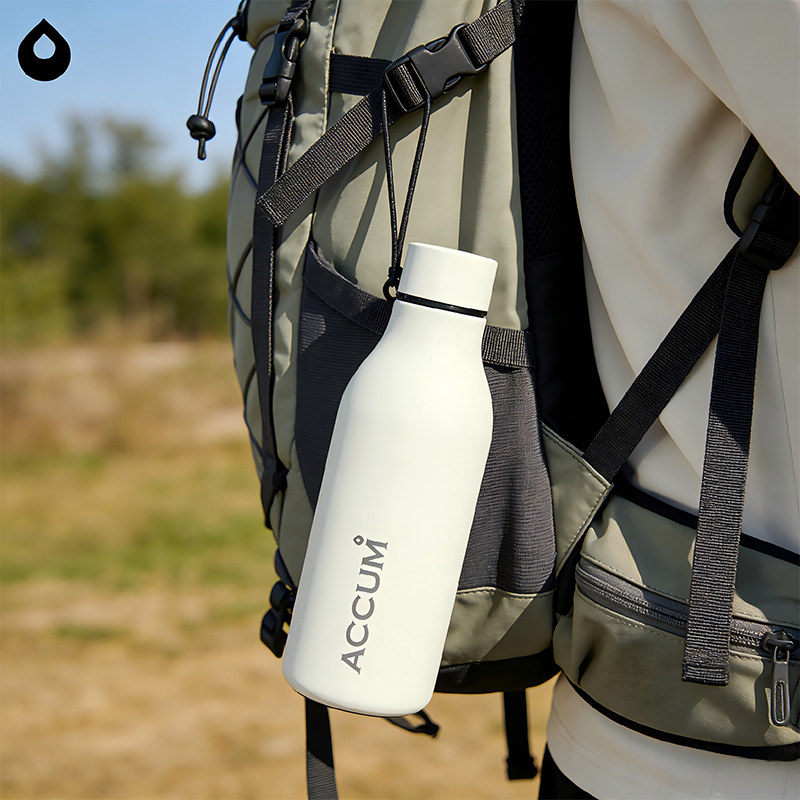
- Díograiseoirí lasmuigh agus hikers a bhfuil gá acu le hiodráitiú marthanach, sceitedhíonach ar an turas
- Oibrithe oifige atá ag iarraidh caife nó tae a choinneáil te ar feadh lá oibre fada
- Tuismitheoirí atá ag iarraidh rogha sábháilte, saor ó cheimiceáin le haghaidh hiodráitithe laethúil a gcuid leanaí
- Lúthchleasaithe agus giomnáisiam-goers a bhfuil gá acu le buidéal is féidir a maireachtáil titeann agus láimhseáil garbh
Conas an Buidéal Uisce Cruach Dhosmálta Ceart a Roghnaigh
Agus an oiread sin brandaí agus dearaí ar fáil, tagann caolú síos ar an buidéal cruach dhosmálta ceart chun gnéithe a mheaitseáil le do nósanna agus riachtanais laethúla ar leith.
- Seiceáil an grád cruach chun a chinntiú go bhfuil sé sábháilte ó thaobh bia de, go hidéalach 304 nó 316 cruach dhosmálta
- Roghnaigh toilleadh a oireann do do spriocanna iontógáil uisce laethúil, go hiondúil 18 go 32 unsa
- Cuardaigh oscailt béil leathan má tá sé ar intinn agat ciúbanna oighir a chur leis nó an buidéal a ghlanadh go héasca
- Smaoinigh ar stíl an chláir, mar smeach-barr, caipíní tuí, nó caipíní scriúdaithe, bunaithe ar do nósanna úsáide
- Fíoraigh éilimh feidhmíochta inslithe trí athbhreithnithe seachas trí mhargaíocht amháin
Ag tabhairt aire do do bhuidéal uisce cruach dhosmálta chun a shaol a leathnú
Coinníonn cothabháil cheart buidéal cruach dhosmálta ag feidhmiú go maith ar feadh na mblianta. Coscann glanadh rialta le huisce gallúnaí te agus scuab buidéil iarmhar a thógáil, go háirithe timpeall limistéar na snáitheanna agus an chlúdaigh inar féidir le baictéir charnadh. I gcás buidéil a úsáidtear le caife nó tae, cuidíonn glanadh domhain ó am go chéile le meascán de sóid aráin agus uisce chun stains stubborn a bhaint gan dochar a dhéanamh don sciath istigh. Tá sé tábhachtach freisin gan buidéil inslithe a chur sa mhiasniteoir mura ndeir an monaróir go sonrach go bhfuil sé sábháilte, mar is féidir le teas ard cur isteach ar an bhfolús séala idir na ballaí uaireanta. Má ligtear don bhuidéal aer a thriomú go hiomlán sula ndéantar é a shéaladh, cuidíonn sé freisin le boladh musty a chosc ó fhorbairt laistigh.
Botúin Choitianta le Seachain Nuair a Cheannaigh Buidéil Uisce Cruach Dhosmálta
Botún coitianta a dhéanann ceannaitheoirí ná buidéal a roghnú bunaithe ar chuma ina n-aonar gan an grád cruach a sheiceáil, rud a d'fhéadfadh fadhbanna meirge nó blas miotalach a bheith mar thoradh air le himeacht ama. Earráid mhinice eile is ea méid atá ró-mhór nó róbheag a phiocadh lena úsáid go laethúil, agus mar thoradh air sin bíonn buidéal a bhraitheann go bhfuil sé deacair a iompar nó a dteastaíonn athlíonadh leanúnach air. Ba cheart do shiopadóirí a bheith aireach freisin maidir le buidéil a éilíonn sárfheidhmíocht inslithe gan aon tástáil nó athbhreithnithe neamhspleácha chun tacú leis na héilimh sin. Ar deireadh, is féidir frustrachas gan ghá agus costais bhreise a laghdú mar thoradh ar fhaillí a sheiceáil an bhfuil na comhpháirteanna clúdaigh agus tuí sábháilte do mhiasniteoir nó in-athsholáthair.
Pacáistiú Saincheaptha Déanta Éasca
Ó choincheap go seachadadh, cinntíonn ár bhfoireann do shaincheap déantar freastal ar riachtanais phacáistithe le cumarsáid éifeachtach agus seirbhís ghairmiúil.
-
 01
01
Mionteagasc
-

-
 02
02
Ábhar agus Struchtúr
-
-
 03
03
Saothar Ealaíne & Priontáil
-
-
 04
04
Sampláil
-
-
 05
05
Tástáil & Faomhadh
-
-
 06
06
Táirgeadh & Seachadadh
-
-
Suzhou Accum Pacáistiú Co, Teo.
Déan teagmháil linn
TEL: +86 512 6378 6312 TEL: +86 182 6183 5029 Add: Zhujiabang, Baile Zhenze, Dúiche Wujiang, cathair Suzhou, Cúige Jiangsu, an tSín -
Nasc Thapa
Baile Táirgí Fúinn Réitigh Nuacht Déan Teagmháil Linn -
Naisc Táirgí
Cupán Páipéir Coimeádán Páipéir Pacáistiú Seilf Miondíola Tráidire Páipéir Buicéad Páipéir Cúlpháirtí is déanaí -
Nuacht
Coimeádán Anraith Páipéir Mínithe: Méideanna, Lids, agus Leideanna Stórála Ba Chóir duit a bheith ar Eolas Cad é Corn Páipéar Balla Aonair ann? Treoir Shimplí Is Féidir le Duine ar bith a Thuiscint Treoir Mála Páipéir: Conas an Ceann Ceart do Ghnó a Ghnóthú -
Soghluaiste
